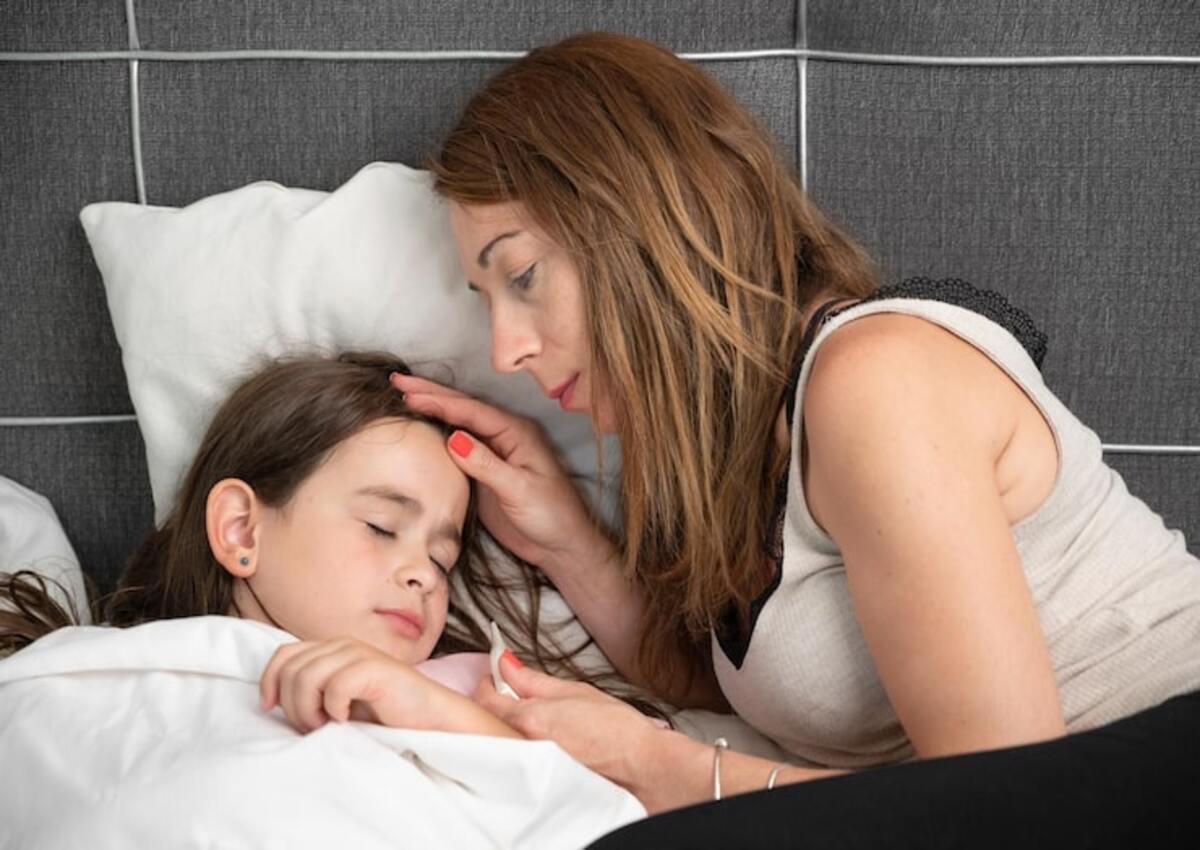

It’s late, and your child is finally asleep. You pause at their bedroom door, hearing soft snores or maybe gasps, tossing, or murmurs. You wonder: Is this just a normal part of childhood sleep? Or is something else going on?
Parents often expect kids with sleep problems to act tired. But that’s not always the case. In fact, exhausted kids can seem more wired than worn out.
Some nighttime quirks are harmless. But when patterns of sleep disturbance start to show up night after night, especially alongside daytime behavior issues, they can be a signal worth investigating.
This article covers:
- What common nighttime red flags look like
- How poor sleep affects behavior and learning
- Practical, non-alarming steps parents can take next
Why Nighttime Red Flags Matter More Than You Think
Sleep is when kids’ brains and bodies do serious repair work. Repeated disruptions can quietly chip away at their ability to learn, focus, and grow.
A “red flag” doesn’t mean something is wrong. It simply means, “This is worth keeping an eye on.” Chronic poor sleep in kids has been linked to behavior challenges, learning struggles, and even physical development delays. One or two rough nights? Totally normal. But consistent sleep disturbances? Those are worth noticing.
When we spot potential patterns early, we’re better equipped to act. Many health concerns, including those tied to sleep, start with subtle, easy-to-miss signals. That’s why experts highlight the importance of timely care in preserving health. Addressing small issues early can help avoid bigger ones later.
Next, let’s look at what those signs actually are.
Sleep Is When Growing Brains Get to Work
During deep and REM sleep, kids’ brains build memories, process emotions, and release growth hormones. Interrupted sleep can interfere with these essential processes.
Small Signs, Big Impact Over Time
What seems like “just snoring” or “just night sweats” may not raise eyebrows on their own, but together, night after night, they can reveal a pattern.
Healthy sleep supports:
- Stronger attention and memory
- Better mood regulation
- Healthy immune function
A child who’s dozing poorly may not show it right away, but their behavior and body eventually will.
Nighttime Red Flags Linked to Sleep and Breathing
Some kids make a lot of noise while sleeping and not in a soothing lullaby way. Certain sounds and sleep positions, when frequent, can point to issues like pediatric sleep apnea or sleep-disordered breathing.
Snoring every so often isn’t uncommon. But loud, frequent snoring? That can be a red flag. The same goes for heavy breathing, gasps, or mouth breathing that persists even after congestion clears. These can put stress on the airway and affect jaw development over time.
One-off nights don’t mean much. But clusters of the following signs, especially several times a week, are worth writing down and sharing with your child’s healthcare provider.
According to the children and sleep apnea guide for families, watching for multiple symptoms over time gives professionals a clearer picture of what might be happening.
Breathing Noises and Mouth Breathing
- Loud snoring (more than 2 nights a week)
- Gasping or pauses in breathing
- Open-mouth breathing during sleep
Restless Bodies and Odd Sleep Positions
- Tossing and turning constantly
- Sleeping with the neck extended or head tilted back
- Hanging off the bed or odd sleeping postures
Sweating, Night Terrors, and Bedwetting
- Night sweats (damp hair or sheets)
- Frequent nightmares or night terrors
- Bedwetting in a previously dry child
Example: Imagine a child who snores loudly, wakes up soaked in sweat, and ends up sideways in bed every morning. Each of these signs means little alone, but together, they may indicate something deeper.
Jotting down observations like these each night can help you see patterns more clearly.
How Poor Sleep Shows Up During the Day
Not all sleepy kids look sleepy. In fact, some seem like they’ve had three espressos before school.
Hyperactivity, mood swings, and trouble focusing are all signs that a child’s sleep may be off-track. But since these behaviors overlap with other childhood challenges, they’re often misread.
Common school impacts include forgetfulness, difficulty concentrating, and falling behind in reading or maths. Morning complaints like headaches or dark circles under the eyes can also be subtle clues.
The NIH overview of sleep apnea in children highlights how sleep apnea may lead to poor academic performance, slower growth, and even heart problems when untreated. Early attention helps prevent long-term effects.
Focus, Memory, and Schoolwork
- “Zoning out” during lessons
- Repeatedly forgetting instructions
- Inconsistent academic performance
Mood, Meltdowns, and Morning Struggles
- Irritability or sudden mood shifts
- Frequent after-school crashes or tantrums
- Complaints of tiredness or headaches before 9 am
Example: An 8-year-old gets weekly notes from the teacher about “daydreaming” and “can’t sit still.” At home, they toss and turn every night and snore loudly. The link? Disrupted sleep.
When It Looks Like ADHD but Might Be Sleep Apnea
Some of the same symptoms seen in ADHD, hyperactivity, impulsivity, and lack of focus also appear in children with untreated sleep-disordered breathing. That overlap can be confusing.
This doesn’t mean ADHD isn’t real. It absolutely is. But sleep apnea can mimic or worsen its symptoms. In some cases, treating the sleep issue improves the behavior. In others, children need support for both.
The key is not to jump to conclusions. Instead, it’s worth asking whether poor sleep could be part of the picture.
Before starting or adjusting medications, ask your provider about a sleep and airway evaluation. That might include a sleep study, dental scan, or ENT consult. A thorough check helps ensure the best plan moving forward.
One helpful resource is this expert explanation of whether symptoms point to ADHD or sleep apnea. It walks through how sleep apnea presents in kids and why airway health matters.
Shared Symptoms Between ADHD and Sleep Problems
- Constant movement or fidgeting
- Short attention span
- Emotional outbursts or impatience
Questions to Ask Before You Change or Start Medication
- Could poor sleep be contributing to my child’s symptoms?
- Have we ruled out snoring, mouth breathing, or night sweats?
- Would a sleep evaluation or ENT referral help clarify things?
- Is airway health part of our discussion?
- What steps can I take now while we wait for results?
Example: One parent shared how their child’s behavior changed drastically after treatment for enlarged tonsils and adenoids. Every case is different—but it shows the value of digging deeper.
What Parents Can Do Next (Without Panicking)
You’ve noticed some signs. Now what?
Step 1: Observe Like a Scientist
Start a sleep log. Each night, jot down:
- Snoring? Y/N
- Sweating? Y/N
- Odd sleeping positions? Describe
- Night wakings? How many?
After a week or two, patterns may become clear.
Step 2: Bring Your Notes to the Right People
Begin with your pediatrician. Depending on what you’re seeing, they may refer you to an ENT, sleep specialist, or an airway-aware dentist. These professionals can spot structural issues in the nose, throat, or jaw that affect breathing.
When talking to dental providers, it helps to understand long-term oral care. This guide on how to care for custom retainers shows how attention to daily detail supports better outcomes.
Step 3: Tweak Habits While You Wait
While waiting for appointments:
- Keep a consistent bedtime
- Limit screens at least 30 minutes before bed
- Create a calm wind-down routine
Want ideas that are actually doable? These BetterThisFacts tips you can actually apply day to day, focus on truth-backed, habit-building strategies.
Your job isn’t to fix everything overnight. Just observe, ask, and partner with experts.
Conclusion: Trust Your Notes, Not Just Your Memory
Paying attention to how your child sleeps and how they act during the day isn’t overthinking. It’s love in action. No one red flag equals a diagnosis. But when small signs cluster, they become a story worth sharing with the right professionals.
Remember:
- You’re not alone.
- Patterns matter more than one-off nights.
- Help is a team effort.
- Small changes can still support better sleep.
By noticing early and trusting your observations, you’re taking a powerful first step toward better nights and better days for your child.