
Most people don’t think about oral cancer during their day-to-day routines. It’s not something that comes up while brushing your teeth or grabbing coffee on the way out the door. But the reality is that small, repeatable habits play a real role in shaping your long-term oral health.
This isn’t about panic or perfection. It’s about understanding a few key risk factors and making simple choices that may help tip the odds in your favor over time.
In this article, we’ll cover:
- The biggest oral cancer risk drivers you can influence
- Everyday habits that quietly support mouth and throat health
- When self-checks and professional checkups matter most
Know the risk drivers you can actually influence
Oral cancer can be defined as cancers that arise in the mouth, lips, tongue, or throat. Similar to the majority of cancers, there is no single cause. Rather, there is an accumulation of risk as a result of lifestyle factors, exposure, and health history. The good news is that not everything that leads to risk factors is under your control.
The studies are consistent that there are a few habits that have disproportionately high influence, namely tobacco usage, alcohol use, and some viral exposures. These will make you concentrate on your areas of influence.
According to the CDC overview of oral cancer risk factors, tobacco and heavy alcohol use remain two of the strongest contributors. HPV infection and sun exposure (for lip cancer) also matter. That’s why the habits below focus on reducing these risks in realistic, everyday ways.
Go tobacco-free (yes, all forms count)
Tobacco is one of the most significant risk drivers for oral cancer. And it’s not just cigarettes. Cigars, pipes, chewing tobacco, snuff, and even newer smokeless products all expose your mouth to harmful chemicals.
Quitting tobacco can feel overwhelming, especially if it’s tied to stress relief or social routines. But even reducing use is a step in the right direction. Over time, lowering exposure helps reduce irritation and damage to the tissues in your mouth and throat.
The National Cancer Institute’s patient summary on oral cancer prevention factors highlights tobacco cessation as one of the most impactful changes a person can make.
Do / Avoid
- Do: Set a quit or cut-back plan with realistic milestones
- Do: Remove triggers (like keeping tobacco out of easy reach)
- Do: Ask a clinician about cessation support if needed
- Avoid: “I’ll quit later” thinking that keeps the habit indefinite
- Avoid: Swapping one tobacco product for another
- Avoid: Trying to white-knuckle it without any support
Keep alcohol risk in check without overthinking it
Another risk factor, which is closely related to oral cancer, is alcohol; however, it is more likely to cause it when toxicants are present. Fear is not the main aspect here; it is awareness. Frequency and quantity Risk increases with frequency and quantity. To improve, you do not have to use complex regulations.
Minor modifications can lead to a lot. Reducing the number of days each week that a person has to drink, separating the drinks with water, or opting for less alcohol can all help cut down on the total exposure, but does not necessarily uproot the social life.
If you want a clear, practical breakdown of lifestyle-based prevention steps, this guide on five ways to lower your risk of oral cancer offers a helpful summary that fits easily into everyday routines.
A realistic “reduce” plan for most weeks:
- Pick one or two alcohol-free days
- Alternate alcoholic drinks with water
- Avoid pairing alcohol with tobacco
Quick takeaway: You don’t need perfection. Even modest reductions can make a difference over time.
Protect your mouth day-to-day: hygiene, lips, and HPV
Mouth care may seem like a boring routine every day, yet that is the same thing that makes it work. Removal of irritants and bacteria capable of contributing to chronic inflammation happens through brushing and flossing. Changing toothbrushes and cleaning oral equipment on a regular basis also contributes to maintaining a healthier mouth in general. Brushing is not the only way to protect. Lip care and viral exposure are the two most frequently neglected ones.
It is recommended to use an SPF lip balm when outside to prevent sun damage, which is a cause of lip cancer. And at the same time that HPV is a common topic in other circles, some strains have been linked to human cancers of the throat and mouth.
Maintaining simple oral routines like the kind outlined in guides on daily retainer care habits that keep your mouth cleaner shows how small, repeatable actions support long-term oral health.
Your 60-second daily baseline:
- Brush and floss thoroughly
- Rinse and stay hydrated
- Keep oral devices clean
Two easy add-ons people forget:
- SPF lip balm for outdoor time
- Talking with a clinician about HPV risk and prevention
Make checkups and self-checks a routine (and don’t wait)
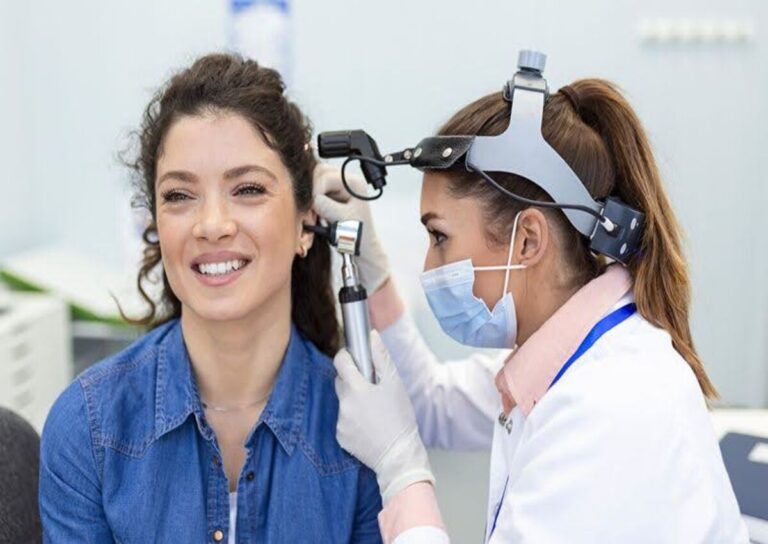
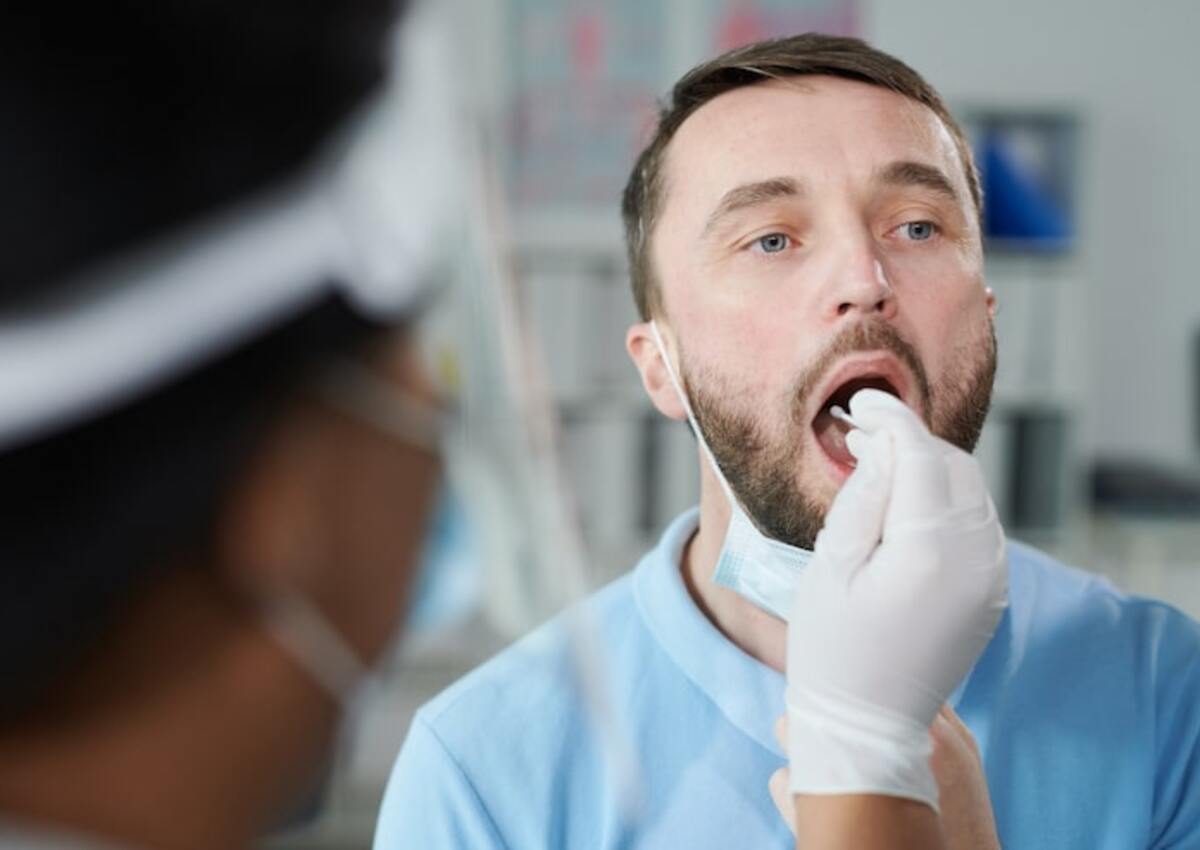
Regular dental visits aren’t just about cavities. Dentists are trained to notice changes in the mouth that you might overlook, especially early signs that don’t cause pain.
Between visits, simple self-checks can help you stay aware. Once a month, take a minute to look and feel for anything unusual. Persistent sores, red or white patches, numbness, or lumps that don’t improve after two weeks are worth getting checked.
The NIH NIDCR oral cancer overview explains what oral cancer is and why early attention matters.
Suppose something feels off, timely care matters. Waiting it out rarely helps and often increases stress. Articles like why timely care matters across health. Including Dental reinforces the same message: earlier conversations usually lead to simpler next steps.
A quick self-check you can do monthly:
- Look in good light using a mirror
- Feel for lumps or thickened areas
- Note sores, patches, or pain
- Act if changes persist beyond two weeks
Small habits, repeated, make the difference
Lowering oral cancer risk isn’t about one dramatic change. It’s about stacking small, sensible habits that support your mouth and throat over time. Cutting back on tobacco and alcohol, protecting your lips, keeping your mouth clean, and staying on top of checkups all work together.
You don’t have to do everything at once. Pick one or two habits to focus on this week and build from there.
Remember:
- Tobacco-free is best
- Less alcohol lowers risk
- Daily protection adds up
- Persistent changes deserve attention