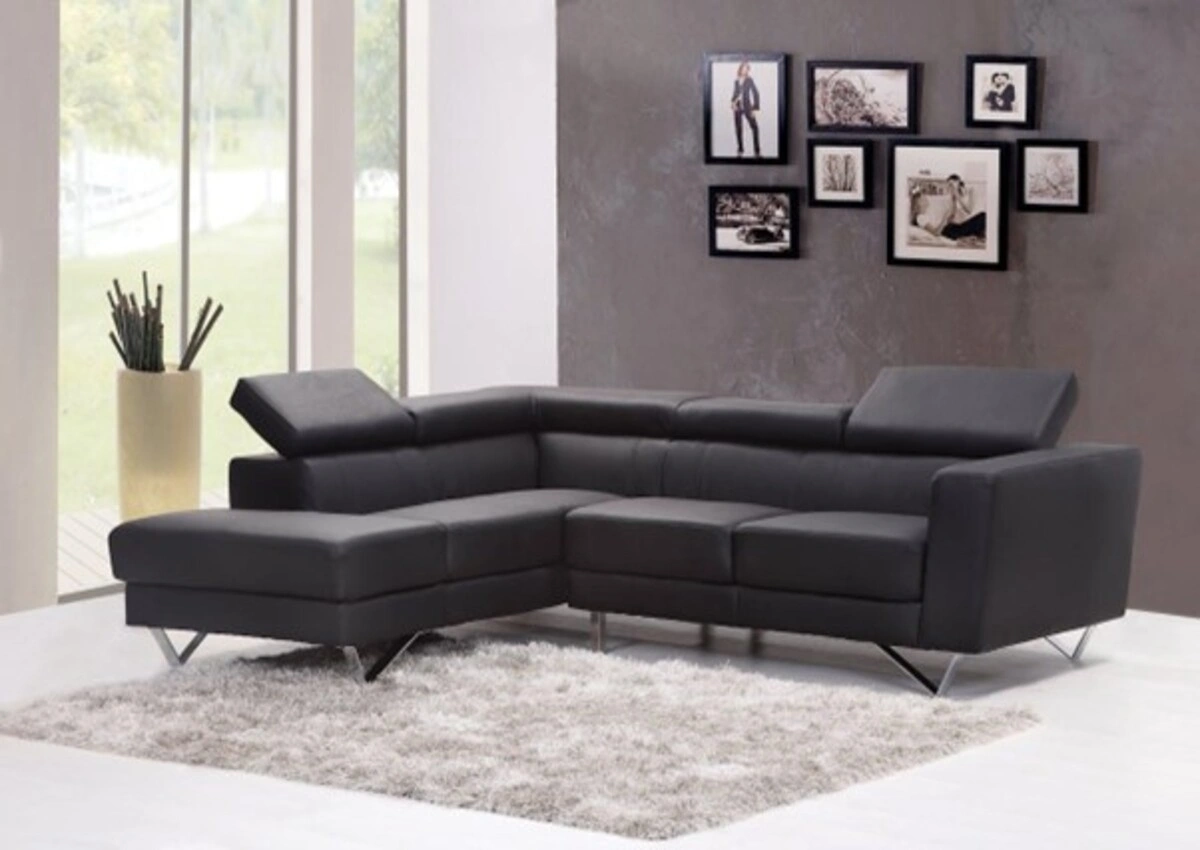

Furnishing an apartment typically requires the same decision-making process of deciding when to spend money on good-quality items and when to save on your budget. Finding the right balance is critical since the cost of furnishing your new home can be a huge upfront expense.
Fortunately, read this guide as we will assist you in developing a thoughtful strategy for how you choose to furnish your new home.
How Should Smart Furnishing Strategy Start?
The cost to furnish an apartment can significantly put a strain on your budget if you’re not prepared for upfront expenses. This is why you need a budget, and without one, you can either overspend or have too little to create the dream you imagined.
Here’s how to approach it:
Defining Intentional Spending
Spending intentionally means every dollar you spend has a defined objective of generating value in terms of usage. Before you buy, you need to determine your entire budget for furnishing an apartment; then, organize your spending around two critical factors:
- How many times per year do I expect to use this item?
- How long would I like this item to last (durability)?
Once you begin thinking in these terms, you are no longer focused solely upon filling your space with items; instead, you are focused on making strategic purchases that provide greater enjoyment out of your living experience.
Addressing the Furnishing Dilemma
Your biggest choice will be to either spend or save when it comes to furniture purchases. To effectively make this decision, spend on those pieces of furniture you use most frequently in your day-to-day life. Those are likely to include pieces of furniture that have functional use, which would help keep your body supported as well as the structure of your daily routines.
Regardless, let’s explore both sides of this dilemma:
- Spend On: Furniture that you regularly use for resting (your bed and couch), eating (dining table), and sleeping. These are the core elements of your home and benefit from higher-quality products and craftsmanship. The end result is long-term comfort and significantly less need to replace these high-use products.
- Save On: Any item that is decorative and used for secondary functions (side tables, lamps, throw rugs), while they add an element of your personal taste to your decor, they do not experience the same amount of wear and tear as the high-usage products. This is where you can get creative and affordable with your furniture selection.
Note that you can envision a furnished interior with AI, helping you see what the final result will look like, allowing you to make a more informed choice.
Smart Budgeting Tactics for the Big Purchases

Having a clear definition of your “splurge” and “save” priorities will allow you to develop your strategy to execute that plan in a financially savvy way. Just because you want something big doesn’t mean it has to blow your budget.
You can get the quality piece you need by using the right strategies to buy at the best possible price, so your money goes farther than it would if you paid full price.
Prioritizing the Timeline
You don’t have to buy all of your furniture at one time. A phased process will typically be more strategically beneficial and fiscally manageable than buying everything in one transaction.
Start with what you absolutely require for day-to-day living. For example, invest in a good mattress, a sofa, and some basic kitchen supplies. You can then focus on those that are less critical but still very important, such as a dining table or storage units. Focus on the final layer of aesthetics, including artwork, accent chairs, and miscellaneous accessories.
Investing in Quality Second-Hand Items
A great way to save money is by using second-hand items. Second-hand is especially good for the really durable things that are made out of solid wood and are very long-lasting (such as dining room tables, dressers, bookshelves, etc).
Most old things were built with better craftsmanship and materials than newer things built in huge factories. So many times, you can buy quality second-hand furniture at a much lower price than buying new at local thrift stores or Facebook Marketplace.
When you give a piece of second-hand furniture a fresh coat of paint, add some new hardware, it looks brand new and at a fraction of the cost of buying something completely new.
When to Buy Sets vs. Pieces
While you may want to get a set of matching furniture, it might not be the most cost-effective or stylish idea. Other options include:
- Buy Sets for Foundations: Consider purchasing sets for a cohesive look. These include Bed frames and nightstands, along with dining tables and chairs. These sets will help narrow down your choices and make decisions easier.
- Buy Pieces for Flexibility and Value: In many cases, buying single pieces one at a time comes with a greater value. You can also customize your space as you desire.
A good example of this is spending money on a high-quality sofa and pairing it with a lower-cost coffee table. The ability to shop sales, add unique second-hand pieces, and also avoid what some call the “Showroom Floor Look,” are all benefits of the single piece approach.
Regardless of whether you splurge or save, remember that establishing proper communication channels about landlord-tenant repair responsibility can help address issues quickly and avoid costly damages. This ensures that issues with appliances and furniture are addressed on time before they escalate to costly damage.
Conclusion
Using a strategic approach to furnish allows for informed decision-making in regard to cost-quality, to make the best of your investment in your new home.
A strategic approach will allow you to define what is important to you, such as your needs, use smart budgeting techniques, and phase your furniture purchases over time, to create a comfortable and attractive home without breaking the bank.
In addition to saving money at the time of purchase, this strategic approach will provide you with a long-lasting and welcoming home, which will serve you for years to come; therefore, this approach is both “smarter” and “more sustainable”.